
There’s something special about a quiet night under the open sky. When the campfire settles, the air cools, and the stars begin to appear one by one, camping becomes more than just a trip — it feels like a small adventure above your head. Night-sky camping is peaceful, simple, and a great way to enjoy nature in a different way.
In this guide, we’ll walk you through some of the best places in the USA for stargazing and give a few tips to help make your next night under the stars even better.
What Makes a Good Stargazing Spot?
You don’t need much to enjoy the night sky, but a few things make a big difference:
- Low light pollution: Far from towns or cities; dark-sky parks are ideal.
- High elevation: Clearer skies with less haze.
- Dry climate: Deserts and mountains offer excellent visibility.
- Open horizons: Fewer trees or canyon walls blocking the view.
- New-moon nights: The darker the night, the brighter the Milky Way.
With these in mind, let’s look at some of the best places across the country
Best Stargazing Locations in the USA
1. Big Bend National Park, Texas
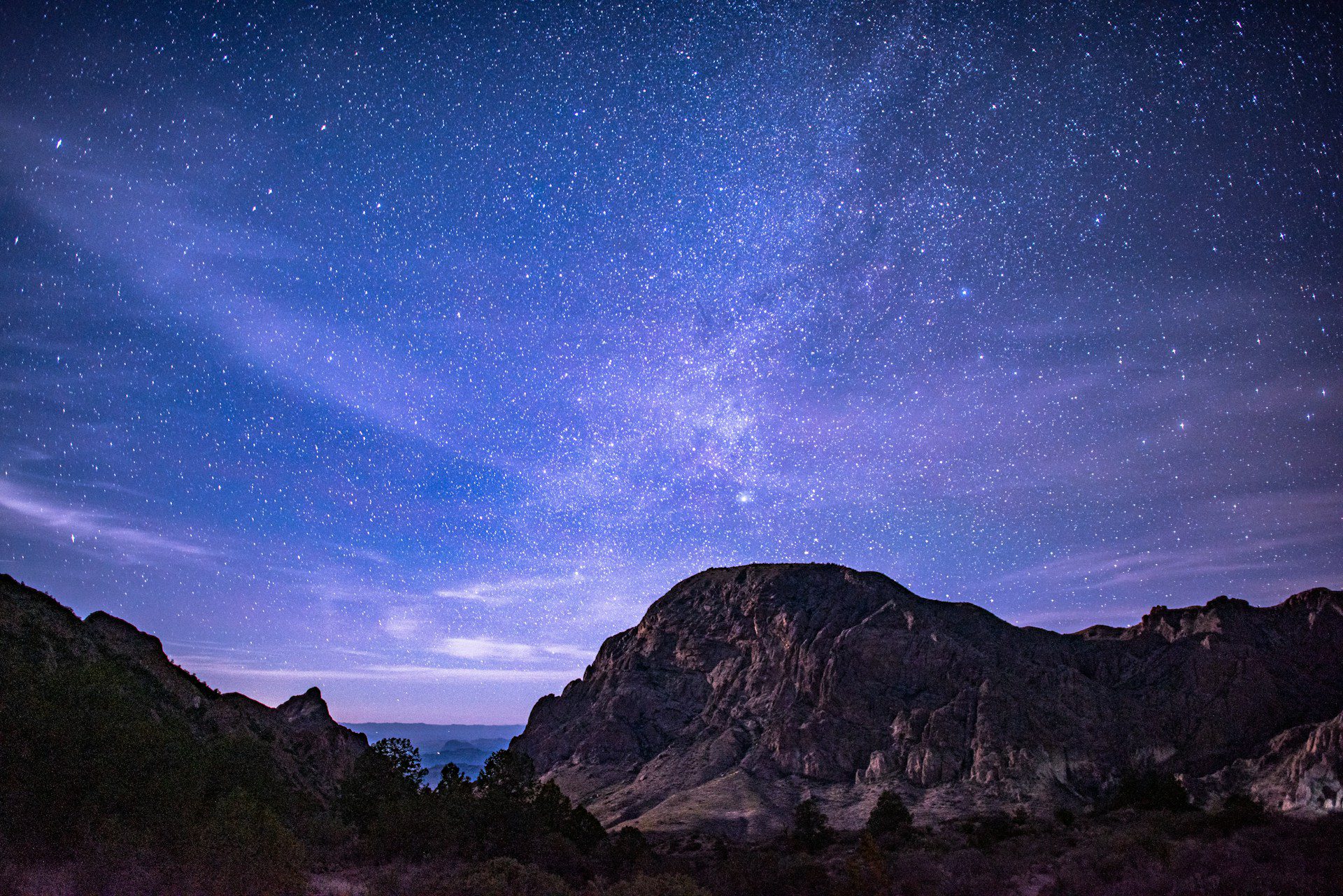
Big Bend is known for having some of the darkest skies in the entire United States. On a clear night, the Milky Way stretches overhead like a glowing river. The quiet desert surroundings make the experience even more peaceful.
Why it’s great:
Warm nights, huge open views, very little light pollution.
Tip: Nights cool off quickly in the desert — pack a warm layer.
2. Bryce Canyon National Park, Utah
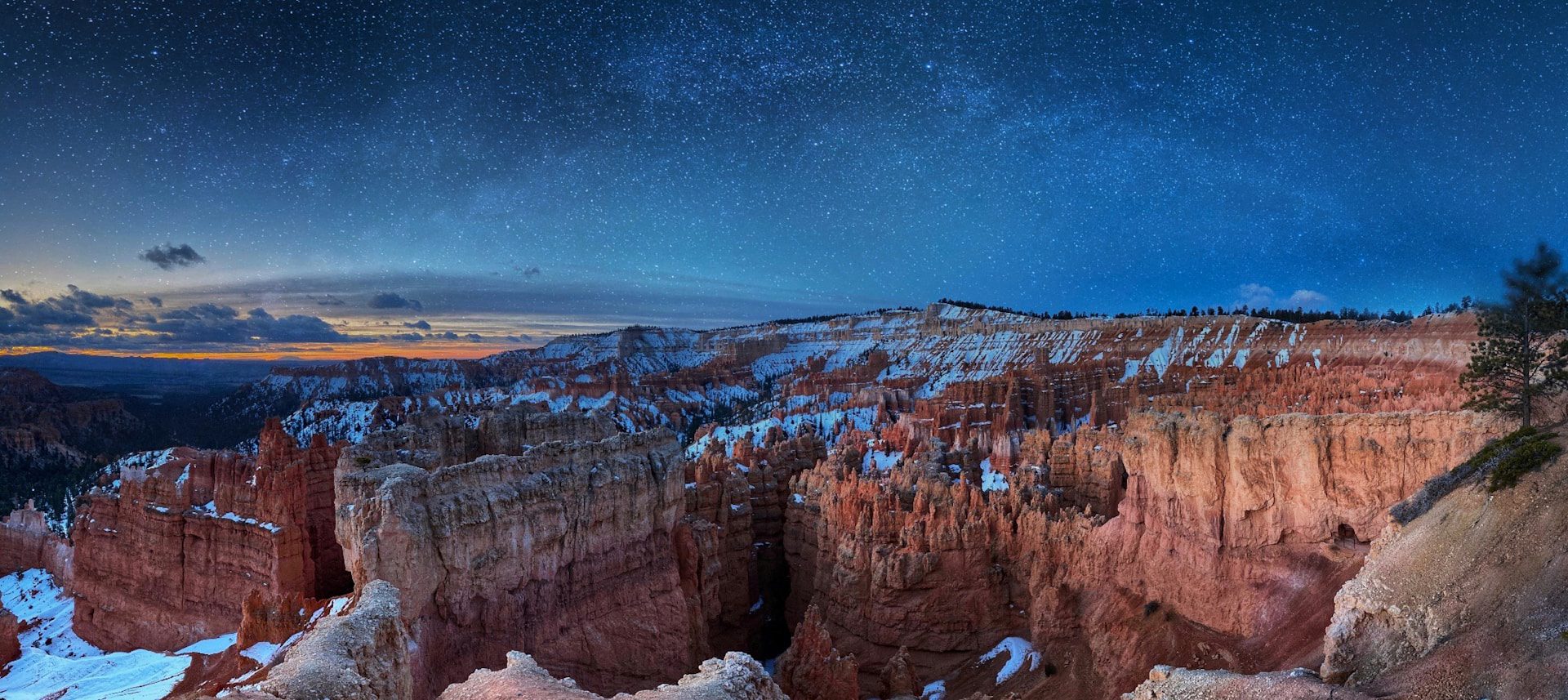
Bryce Canyon’s famous hoodoos look even more magical at night. The air is crisp, and the high elevation helps create perfect stargazing conditions. Rangers often host astronomy programs that are worth checking out.
Why it’s great:
High elevation, clear skies, and unique canyon views.
Tip: Inspiration Point is a beautiful place to sit quietly and watch the sky.
3. Great Basin National Park, Nevada
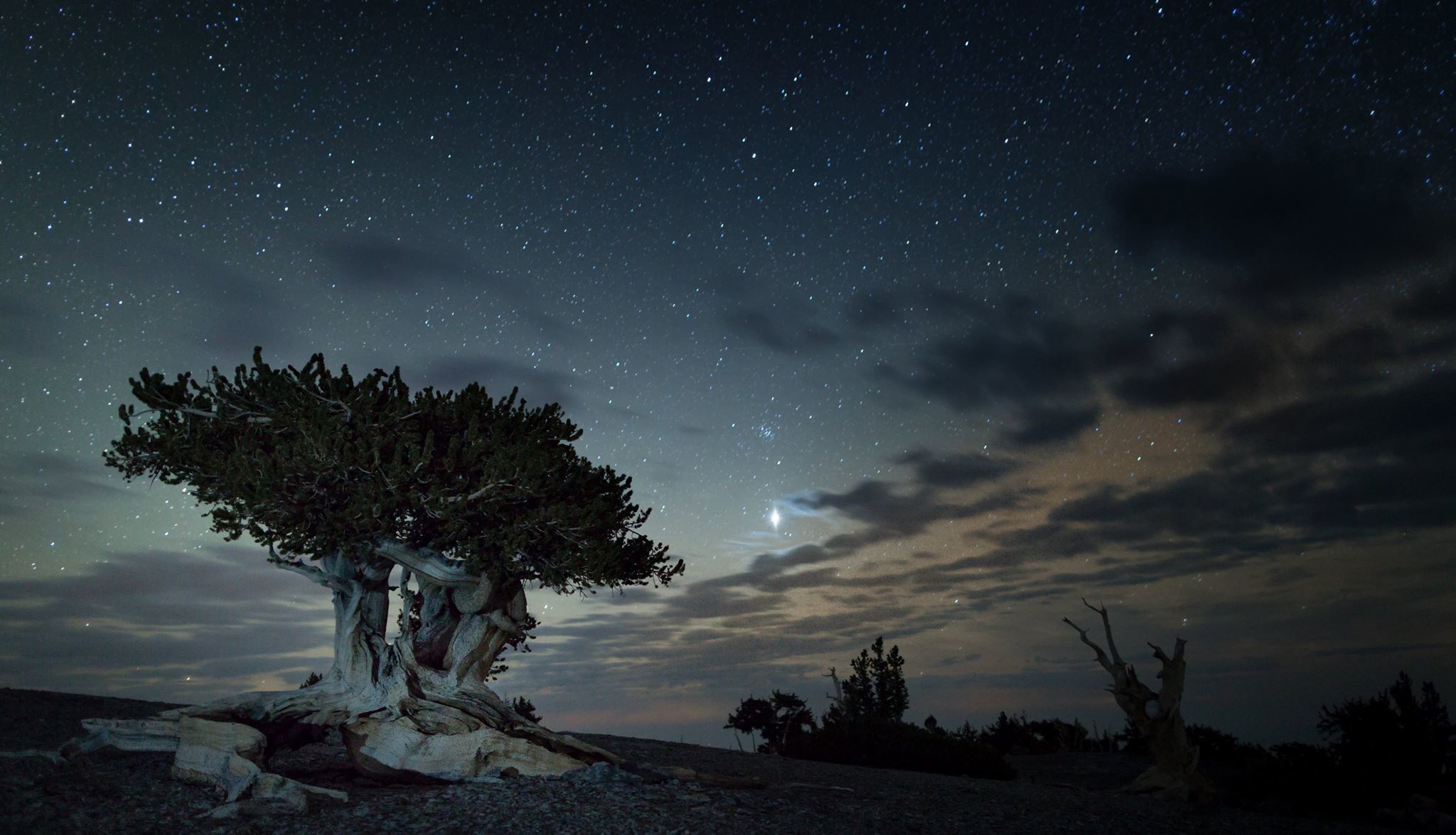
This park is far from busy cities, making it one of the best places for natural darkness. On a moonless night, the sky fills with thousands of stars. The park also hosts an annual Astronomy Festival.
Why it’s great:
Remote, quiet, and extremely clear skies.
Tip: Valley areas often have the widest, most open views.
4. Cherry Springs State Park, Pennsylvania
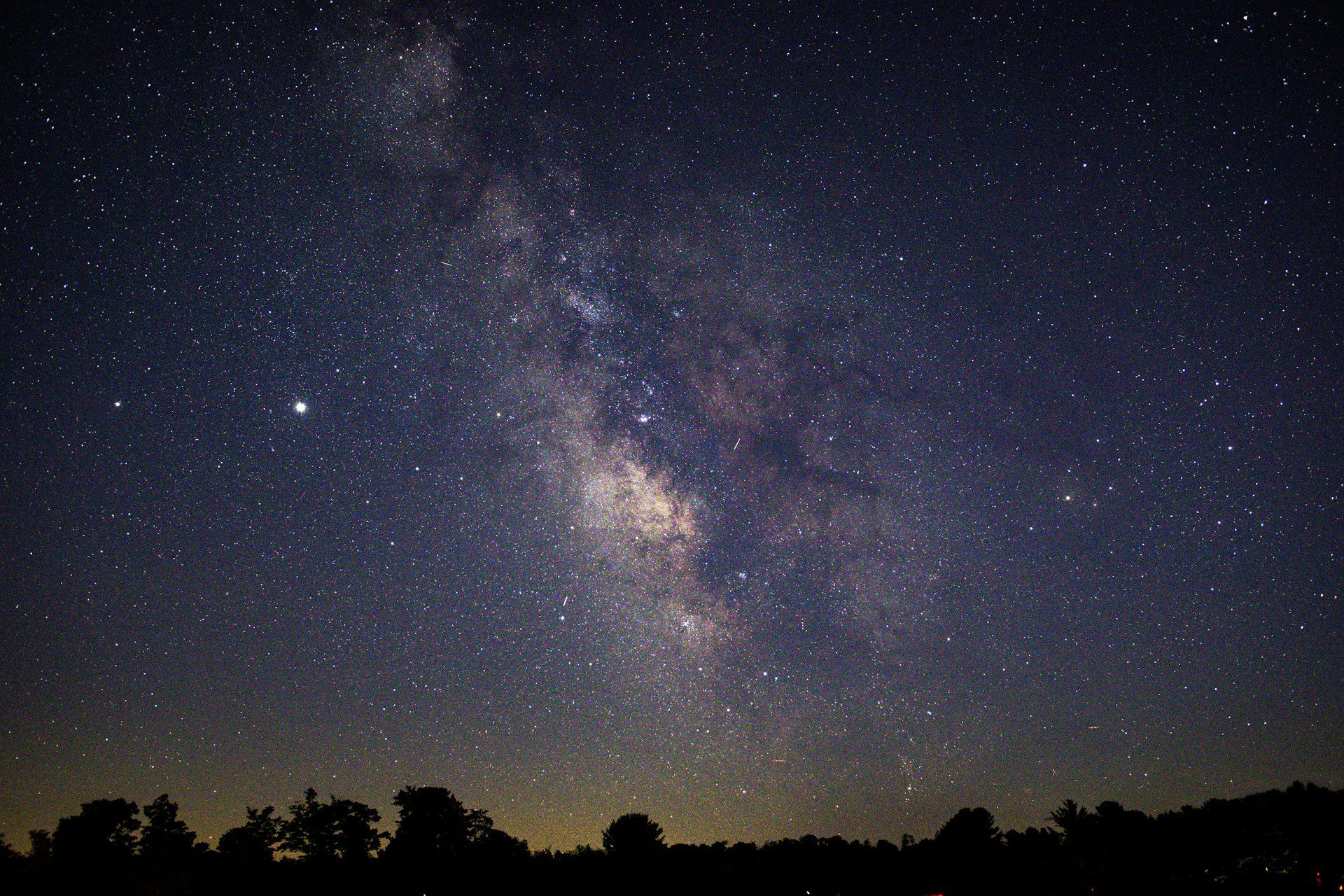
If you’re on the East Coast, Cherry Springs is a real treat. It’s a designated International Dark Sky Park and offers a special astronomy field for nighttime viewing.
Why it’s great:
One of the darkest spots in the Northeast.
Tip: Bring a red-light flashlight — white lights aren’t allowed in the viewing areas.
5. Joshua Tree National Park, California
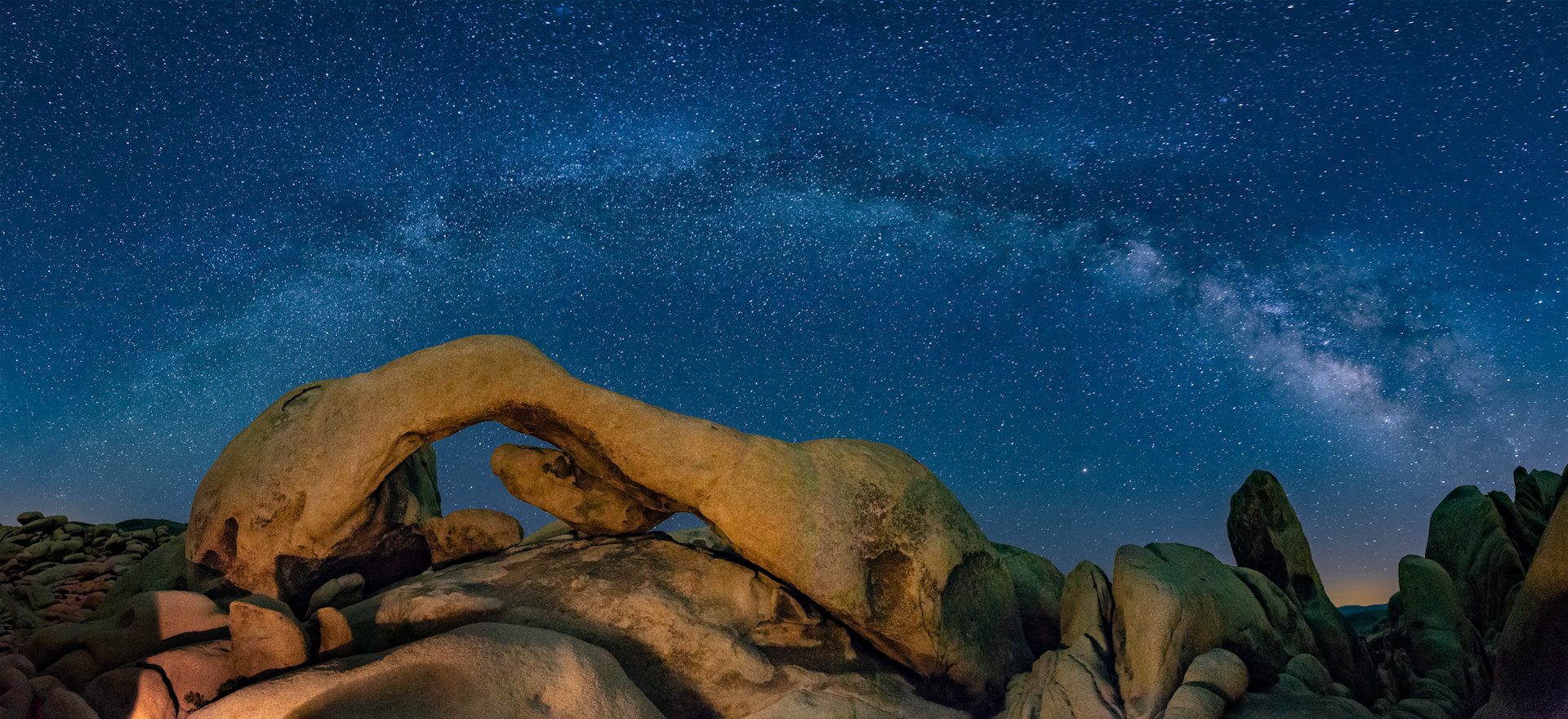
Joshua Tree has a peaceful desert atmosphere that’s perfect for night-sky watching. Mild winter temperatures make it a great choice if you prefer stargazing during cooler seasons.
Why it’s great:
Wide-open desert skies and interesting silhouettes of Joshua trees.
Tip: Hidden Valley is a popular and beautiful spot after dark.
6. Glacier National Park, Montana
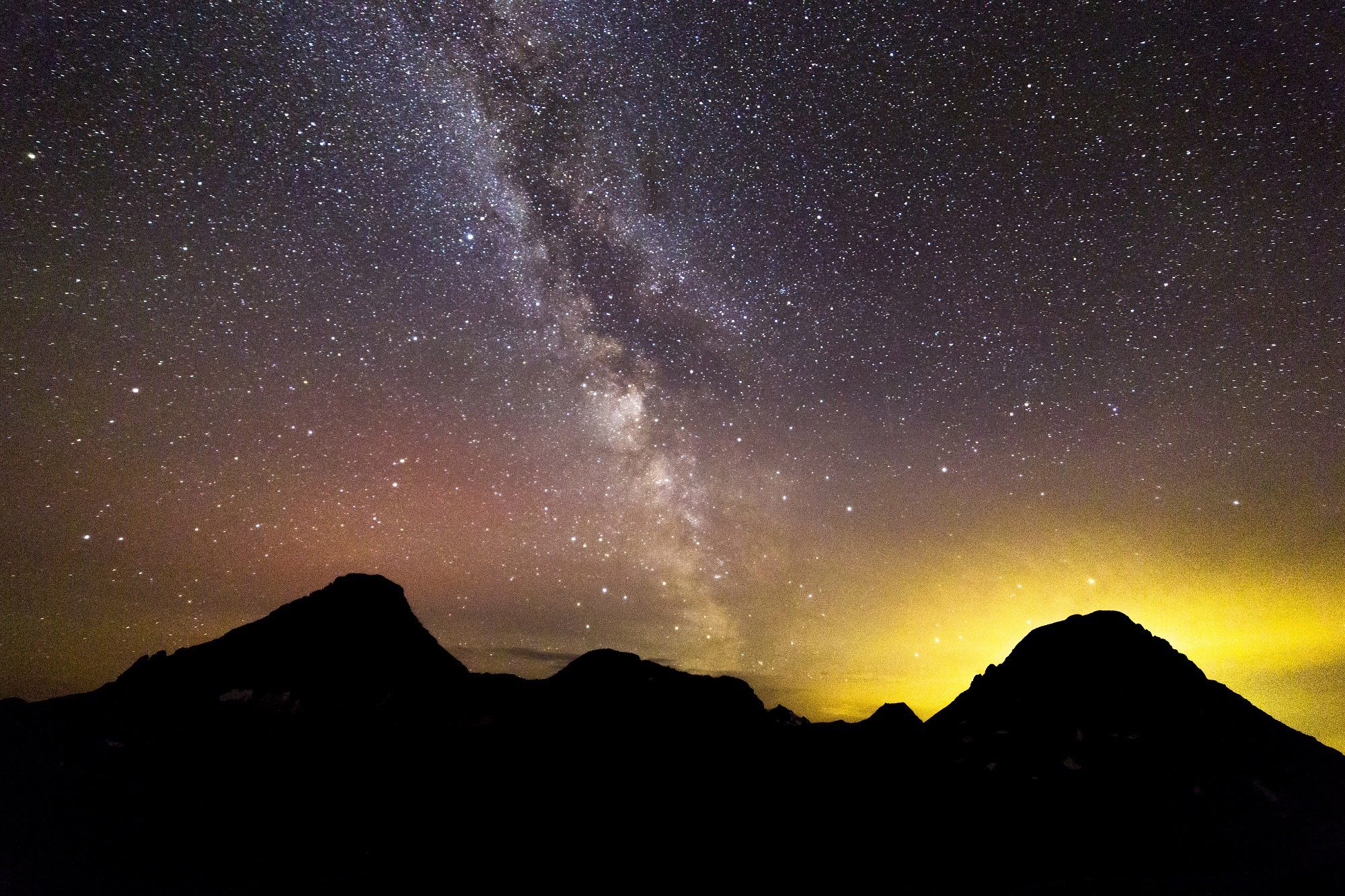
On clear nights, the stars reflect on lakes and create a quiet, peaceful scene. Glacier is also far enough north that you might even see the northern lights during strong solar activity.
Why it’s great:
High mountains, reflective lakes, and cool evening air.
Tip: Even in summer, pack warm clothing — nights get chilly fast.
7. Mauna Kea (Lower Slopes), Hawaii
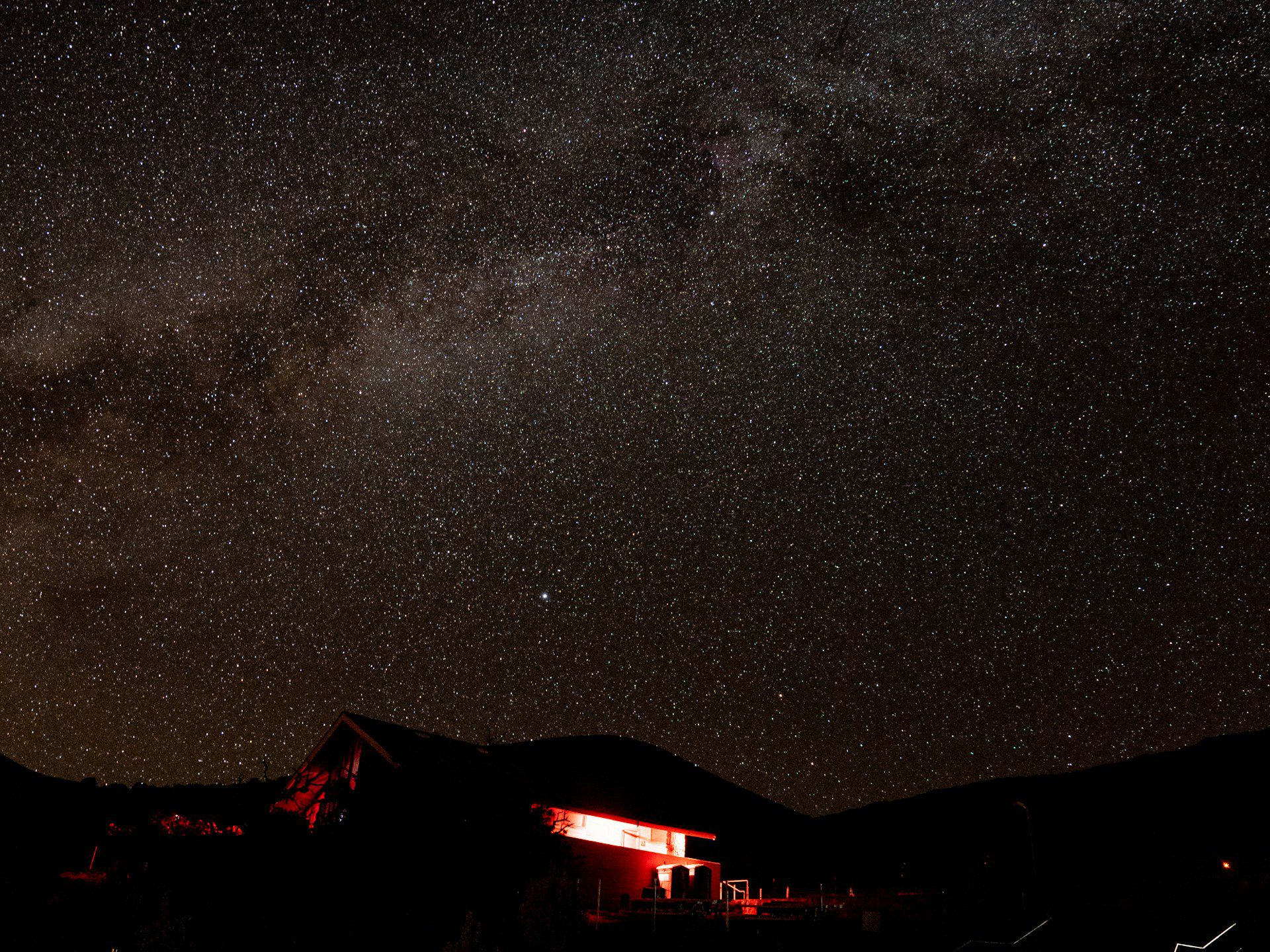
While the summit area requires special permissions, the lower slopes of Mauna Kea still offer amazing views. The island’s clear, dry atmosphere makes stargazing unforgettable.
Why it’s great:
Perfect clarity and a fun mix of tropical camping and astronomy.
Tip: Respect local cultural guidelines, especially around sacred areas.
8. Canyonlands National Park, Utah
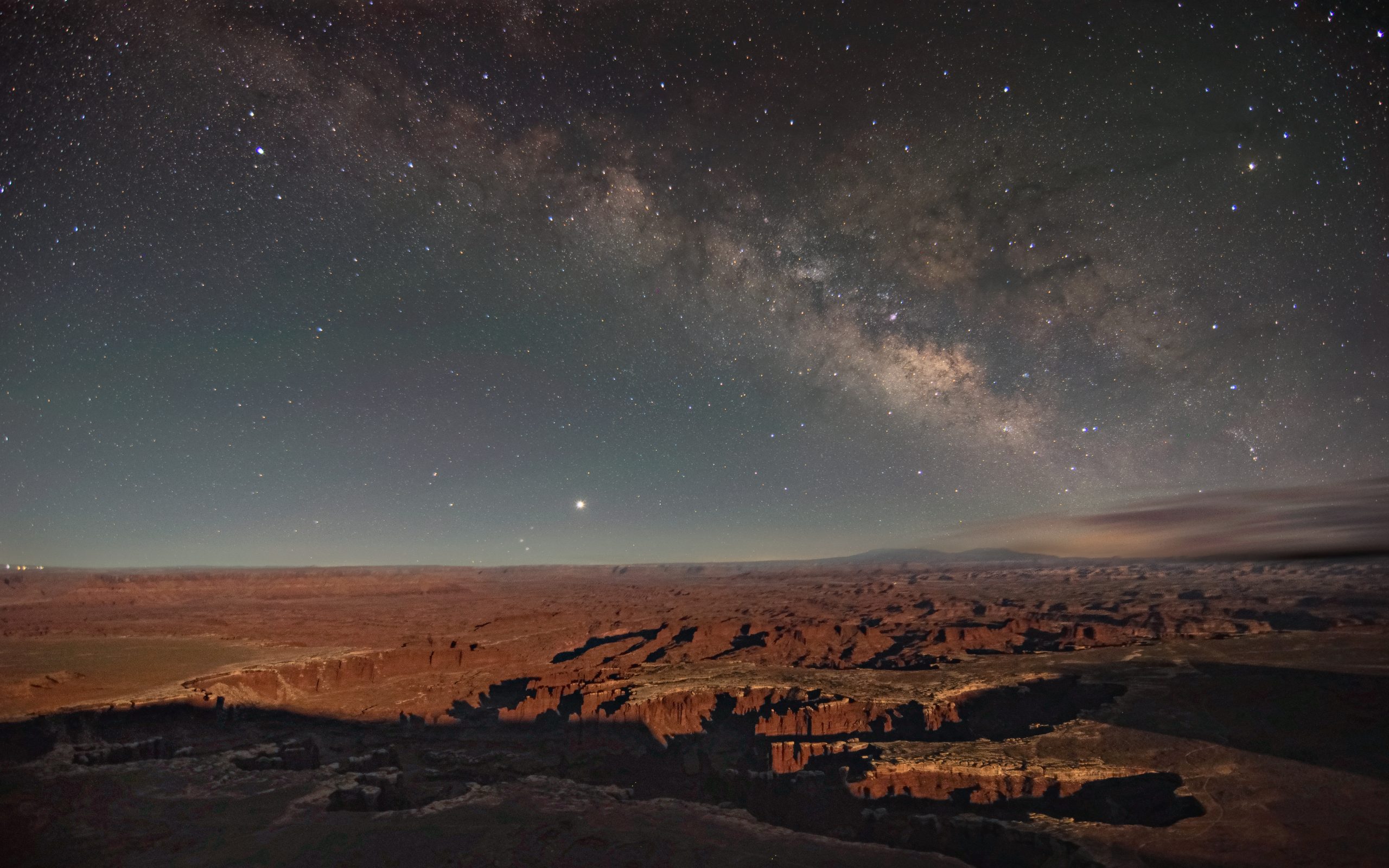
Canyonlands is a wide, open landscape with some of the least light pollution in the country. The “Island in the Sky” area has excellent nighttime views.
Why it’s great:
Dry air, deep canyons, and huge open skies.
Tip: Green River Overlook is one of the best stargazing spots in the park.
Simple Tips for a Better Night-Sky Camping Experience
Check the moon phase:
A new moon gives you the darkest sky.
Bring a red-light flashlight:
Helps you see without losing night vision.
Pack warm layers:
It’s usually colder than expected once the sun sets.
Use binoculars:
You don’t need a telescope. A simple pair of binoculars works great for star clusters and the Milky Way.
Look up slowly:
Allow your eyes some time to adjust — around 15 to 20 minutes is enough.
Stargazing With Kids or First-Timers
Night-sky viewing is great for families. Kids love spotting constellations, satellites, or even a shooting star. Bring warm drinks, blankets, and turn it into a relaxed and fun activity.
A simple “night sky scavenger hunt” can also make things exciting:
- Find the Big Dipper
- Spot a bright planet
- Count shooting stars
- Look for the Milky Way band
These small challenges help keep everyone engaged.
Leave No Trace at Night
It’s easy to forget, but nighttime camping needs care too.
- Keep the lights dim and pointed down
- Stay quiet to avoid disturbing wildlife
- Put out campfires safely
- Pack out all trash
Small actions help keep these places beautiful for everyone who visits after you.
Final Thoughts
Night-sky camping is one of the most peaceful experiences you can have outdoors. Whether you’re watching the Milky Way stretch across the sky or spotting a bright planet rising over the horizon, moments like these stay with you for a long time.
Pick a dark, quiet spot, bring a warm blanket, and enjoy the view. The night sky always has something special to show.


