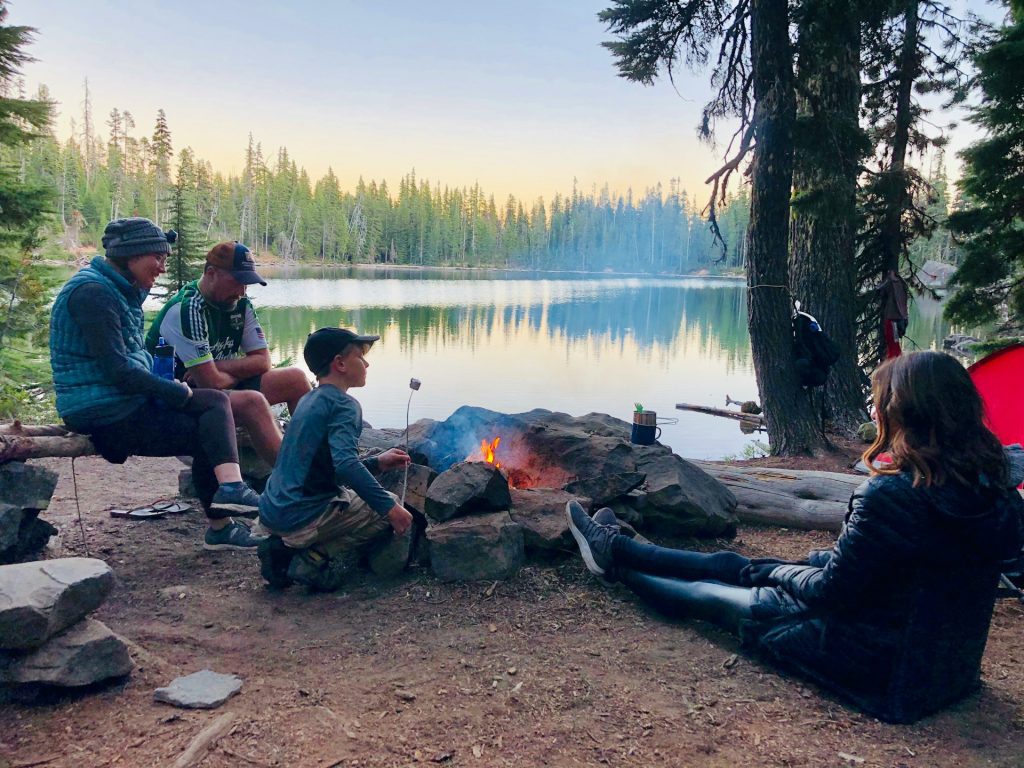
Picking a campsite can be the difference between a trip you talk about for years and a night spent listening to water creep toward your sleeping bag. The good news is that choosing a good spot isn’t complicated. You need a few clear things to look for, a bit of common sense, and a mindset that camping is supposed to be enjoyable, not stressful.
Below is a practical guide built for tent campers. It includes smart, beginner-friendly tips, field-tested habits, and a few clever little hacks that seasoned campers tend to forget they’re even using.
Understanding the Land Before You Set Up
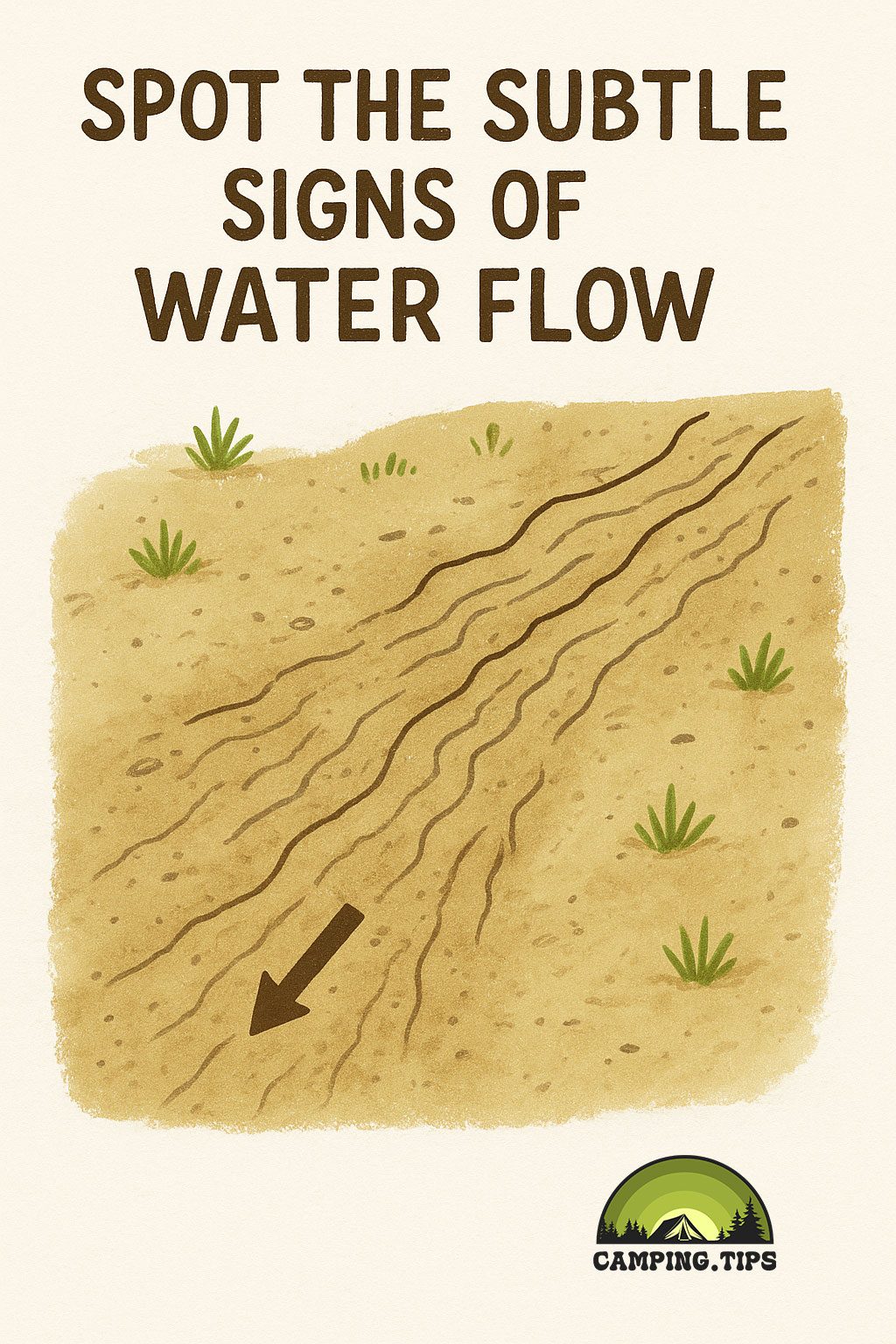
Spot the subtle signs of water flow
Before choosing a spot, take a minute to read the ground. Look for faint grooves or small channels in the dirt. These “erosion lines” show exactly where rainwater has flowed before. If you see them, imagine what that same path would look like during a storm. If it leads toward your tent, move higher. This simple observation has saved countless nights of soggy misery.
We tried our best to illustrate what to look out for in the image below. Feel free to save it and bring it on your adventure so you know what to look for!
Think about the slope
A perfectly flat surface might seem perfect until it rains. A gentle, barely noticeable slope allows water to flow past your tent instead of collecting underneath it. Too steep and you’ll slide toward the door all night. Aim for something almost flat but not quite.
The Five W’s of Smart Tent Placement
These come from one of the simplest and smartest rules used by many experienced campers. Each “W” helps you avoid a problem or adds a little extra comfort.
Water
You want water nearby enough for convenience, but not so close that you wake up in a puddle or deal with heavy condensation. Stay far enough back that the ground is dry and firm. If the soil feels soft or muddy, you’re too close. Always try to make sure you stay dry while camping!
Extra tip: Check the height of the vegetation. Taller plants usually mean the ground stays wetter.
Wind
Wind can be your friend or your worst enemy. Use the landscape to your advantage. Trees, hedges, rock formations, or even a slight rise can block strong gusts. Test the area by simply standing still and noticing the breeze. If it hits you from the same direction over and over again, assume your tent will get the same treatment.
Widowmakers
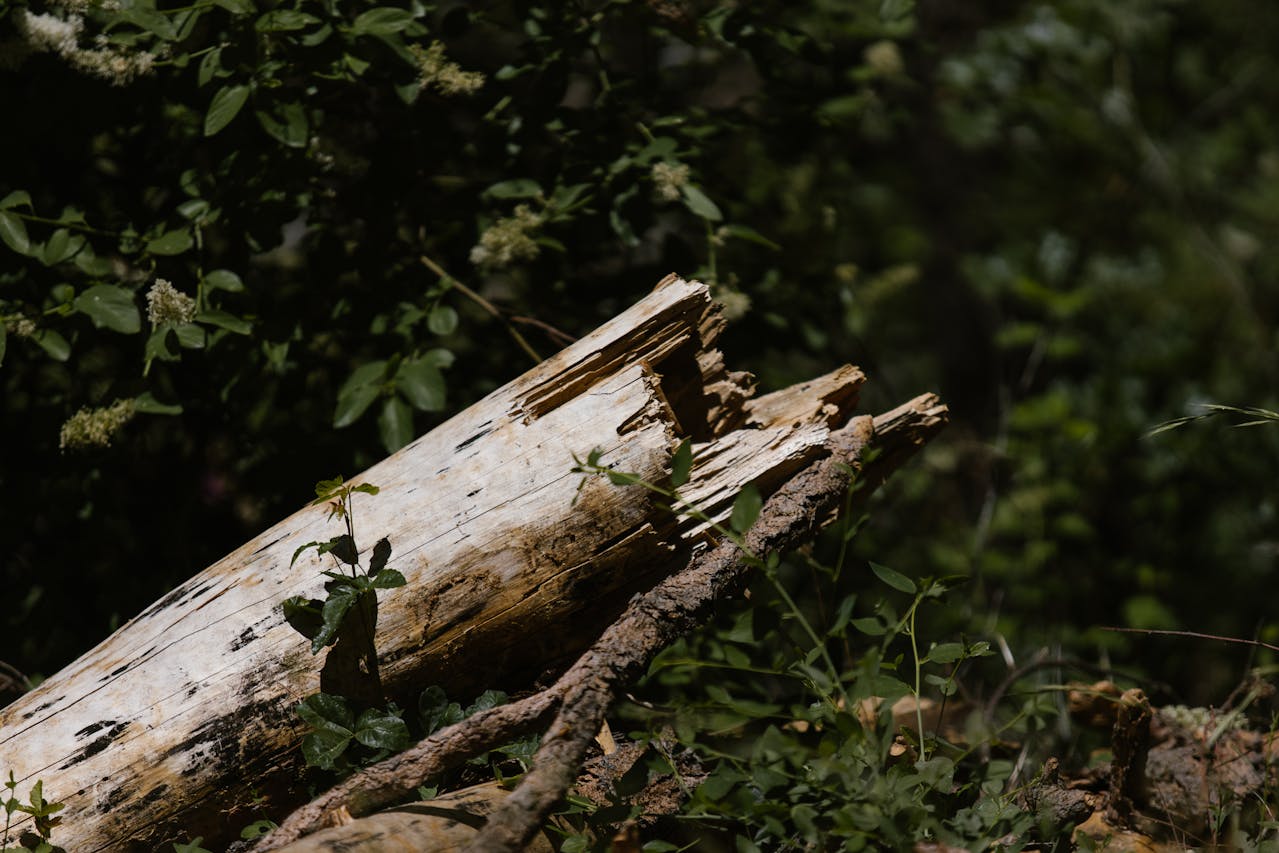
A “widowmaker” is any dead or unstable tree or branch that could fall without warning. Look up, even if it feels unnecessary. If a branch looks suspicious or you see bark peeling off in long sheets, move. It takes five seconds to check and might save you from a dangerous night.
Wildlife
Avoid game trails, ant hills, burrows, and berry bushes. Animals use the same paths repeatedly, so if the ground looks worn or unusually clear of vegetation, it is probably a routine highway for something that does not care about your tent.
Wow effect
This is the permission to enjoy yourself. Pick a spot that feels good. After all the practical boxes are checked, choose the place that gives you a sense of excitement for the night ahead. It might be a nice clearing, a sunrise view, or a quiet niche in the trees.
Small Positioning Tricks That Make a Big Difference
Keep your door facing downhill or toward open space
This keeps the condensation vented and makes it easier to enter without dragging dirt inside. It also helps with morning airflow when the campsite warms up.
Check the ground carefully
Even one small root under your hip can ruin a night. Sweep the surface with your hand or foot before laying out the tent. You’ll be surprised how often you find something you missed visually.
Stay away from anthills
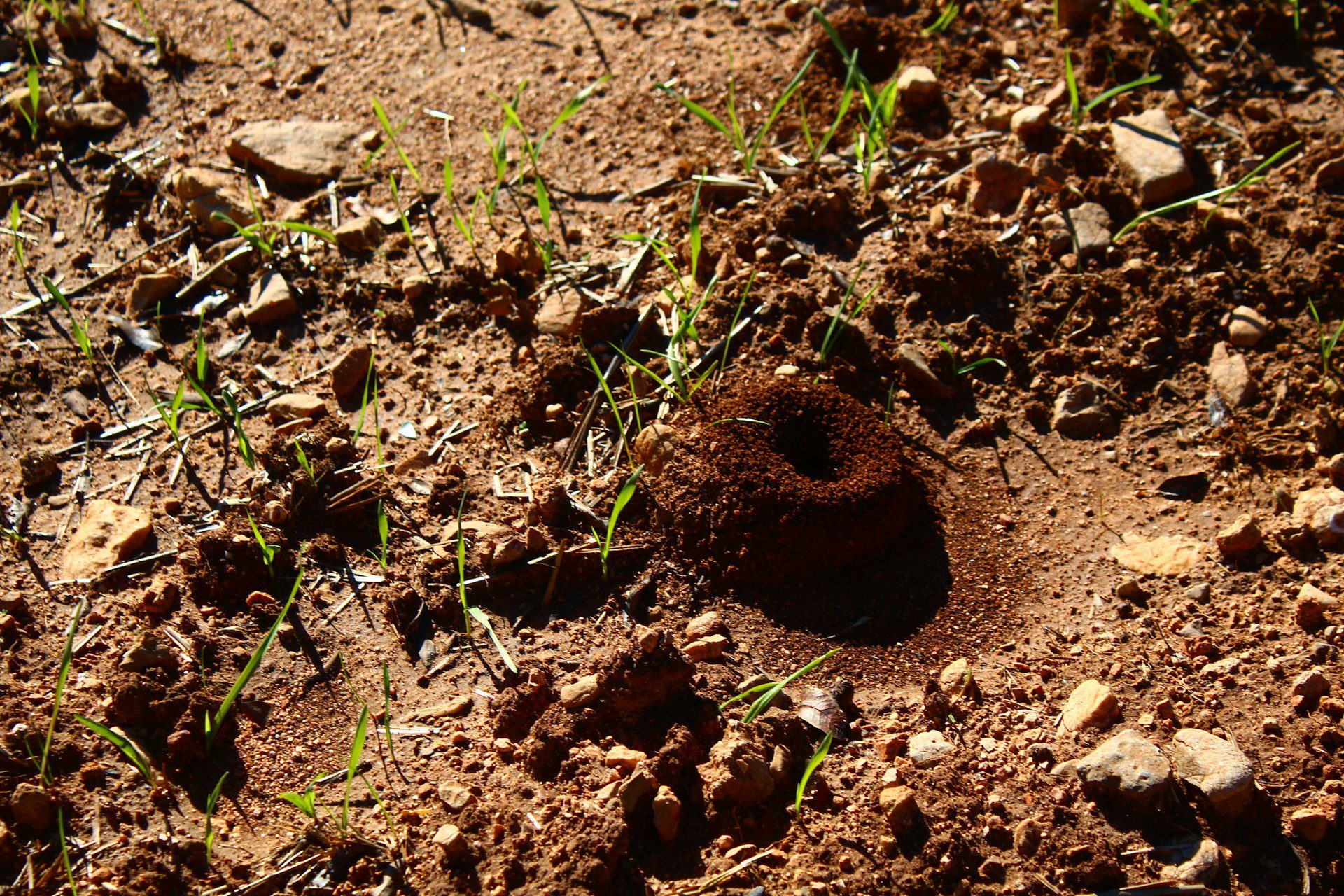
They are easy to overlook when you’re excited to set up. A few scouting seconds now can save hours of painful frustration later.
Feel the temperature difference
Walk your area slowly. Trees, rocks, and low pockets of air trap cold differently. If one spot feels noticeably cooler, that is cold air settling. Aim slightly higher.
Clever Visual Tricks for Beginners
Use the shadow test
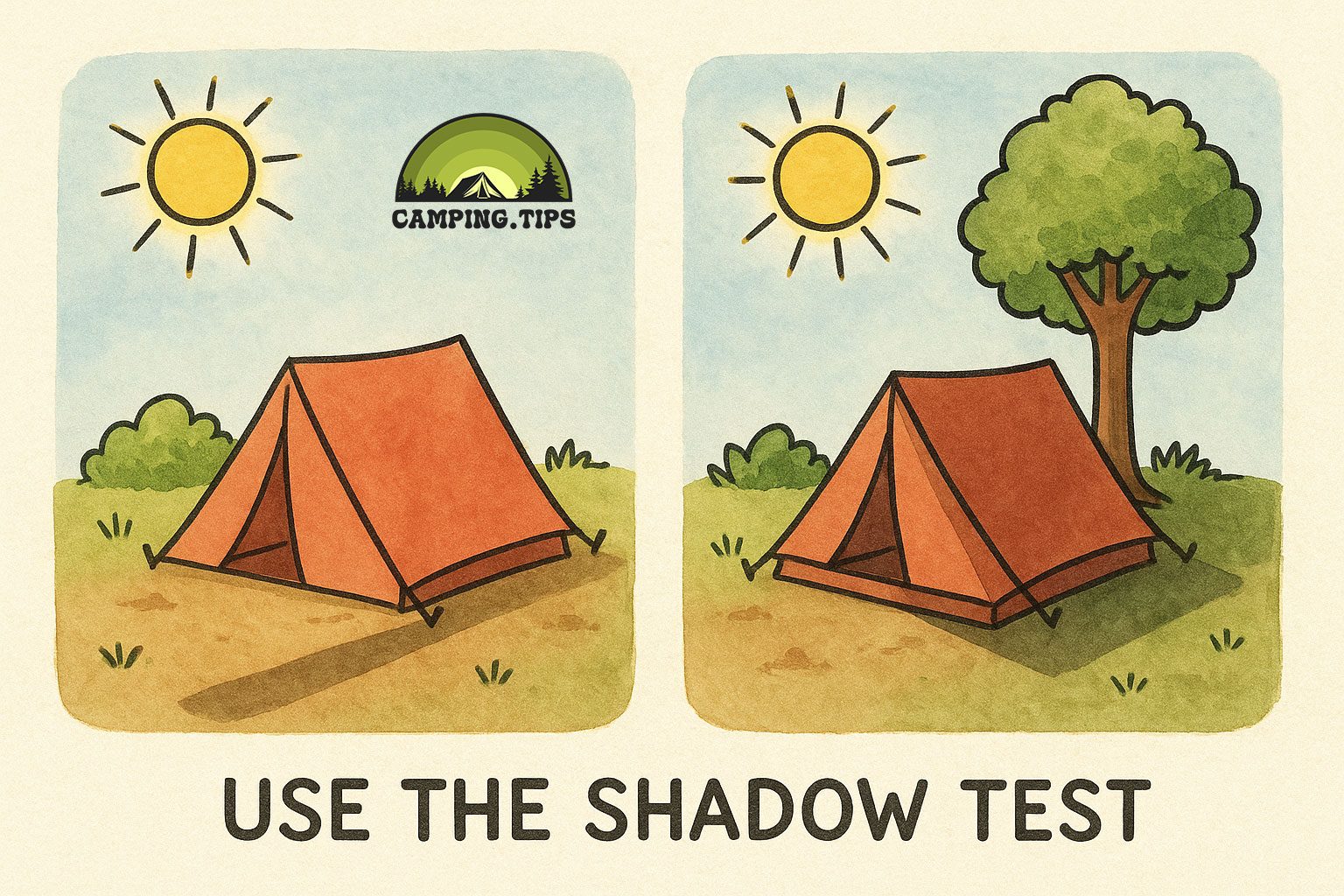
If you arrive early enough, use the shadows to predict how hot your tent will get. If the morning sun hits your tent directly, expect an early wake-up. If you prefer slow mornings or plan to sleep in, pick a spot with shade during the first hours of daylight.
Use your footprint
Stand in the exact spot you think your tent will go. Look around slowly in a full circle. This helps you catch things you might miss when your attention is on the ground. People often discover that their “perfect” spot is actually right next to a low branch, a fire pit, or a noisy camping neighbor.
Mistakes Beginners Make (And How To Avoid Them)
- Choosing a place only because it looks pretty
- Setting up in a low-lying bowl where cold air collects
- Ignoring tree health
- Pitching too close to the water for the “view.”
- Not accounting for the wind and waking up in a shaking tent
- Rushing the setup without checking the ground properly
Each one is simple to avoid once you know what to look for.
Your Quick, Practical Campsite Checklist
Feel free to print this checklist or keep it on your phone so it’s always with you on your next trip.

- Ground is firm, slightly elevated, and free of erosion lines
- No dead trees or unstable branches overhead
- No anthills, burrows, or animal paths nearby
- Enough distance from water for a dry, safe setup
- Natural wind protection is available
- Soft, even ground free of roots and sharp objects
- A comfortable temperature pocket, not a cold dip
- Shade or sunlight, based on your preference
- Room to enter and exit your tent comfortably
- A spot that feels right once all the essentials are covered
Final Thoughts
Choosing the right campsite should feel adventurous, not complicated. Every skill you need can be learned in a few trips. The more you practice reading the land, the faster it becomes second nature. Eventually, you won’t even think about it. You’ll just walk into a forest and know exactly where you want to sleep.
And that is the real magic of tent camping.