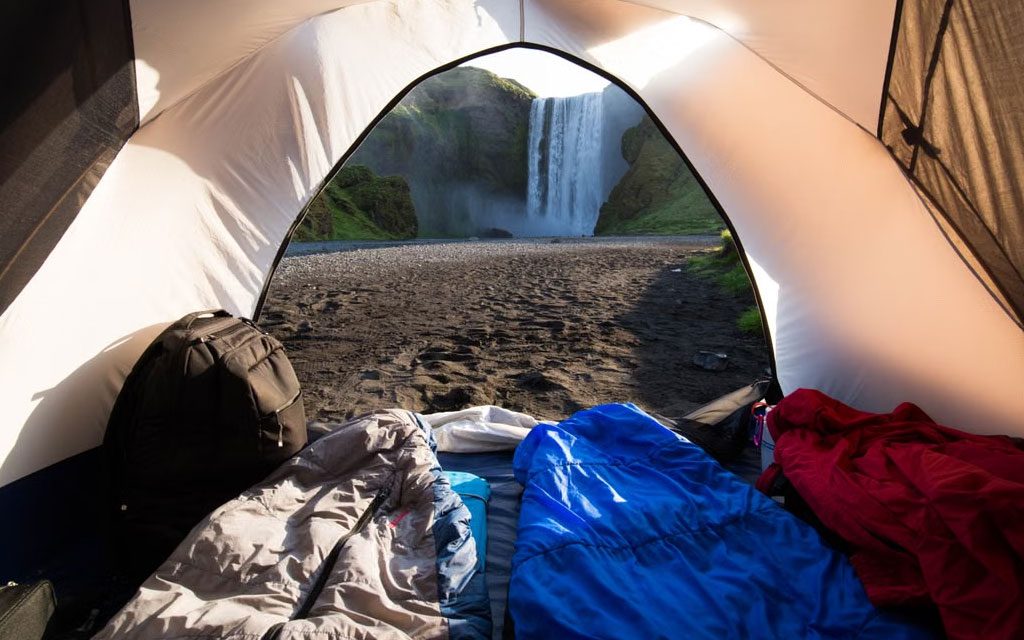
Whether you’re planning a tranquil escape from the daily grind or you prefer an active approach to unwinding, lakes have a deep, primal appeal that calls out to nearly everyone. Is a day by the lake not enough? Do you love the thought of waking up, making yourself and your party a cozy breakfast over an open fire, and being able to take a leisurely (but decidedly short) stroll over to a beautiful lake to swim, paddleboard, or enjoy fishing?
The United States is home to a shockingly large number of natural freshwater lakes — over 120,000 (!!!), according to the National Lakes Assessment. If you want to narrow it down to massive lakes, that number drops to 250, which can still make your head spin.
So, which of the nation’s stunning lakes are best for camping? Here are five beautiful destinations worth considering for your next camping trip.
Of course, finding a beautiful lake is only half the fun. You’ll also want to think about the kind of campsite you’re looking for, how close you’ll be to the water, and what facilities are available. Some lakes are perfect for spending a week at a well-equipped campground, while others are better suited to campers who enjoy getting away from it all.
Before We Get Started
One size never fits all. Some campers are after a wilderness experience. Others are looking for an active lakeside camping vacation that includes not just swimming, but also boating, waterskiing, paddleboarding, kayaking, and fishing. Some like a busy campsite where they can meet lots of other outdoor enthusiasts, while others honestly simply want to be alone with their families.
There’s no such thing as the best lake — but not all lakes are set up for camping. The lakes on this list are. We won’t rank them or allow our own subjective preferences to get in the way. We’ll simply show you what’s great about each lake to help you narrow your options down!
One other thing worth keeping in mind is that camping near a lake doesn’t always mean camping directly on its shoreline. Some campgrounds have private waterfront sites, while others may require a short walk to reach the water. If having the lake right outside your tent or RV is important to you, check the campground layout before making a reservation.
Lake George, NY
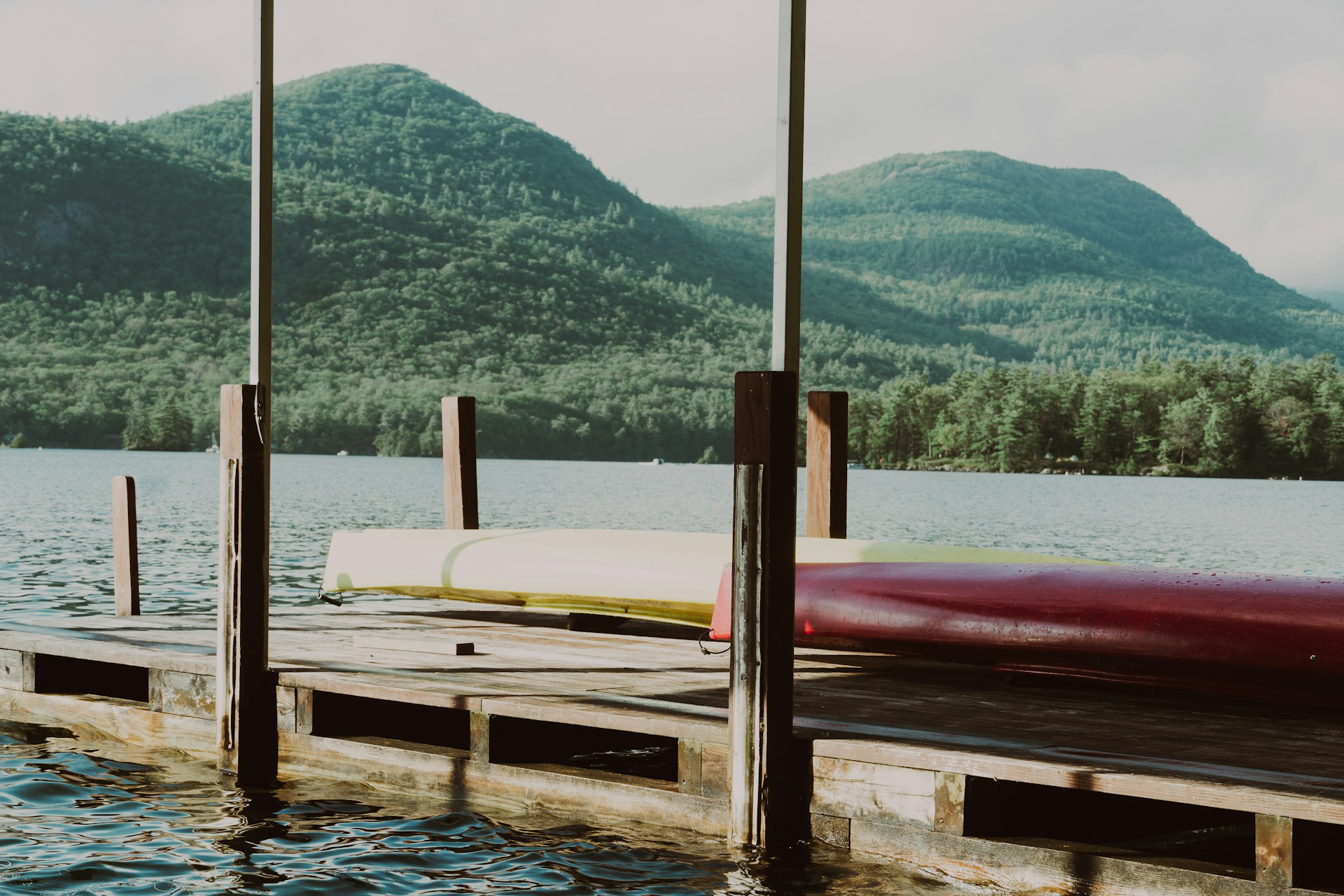
Lake George is stunning, but the many motels and hotels dotted around this long, narrow lake do give it a resort-like feel that not all campers enjoy. On the plus side, the well-developed infrastructure around Lake George, nestled in the Adirondack Mountains, gives campers an amazing variety of activities to pick from.
At a glancre:
- Lake George has more than a few campsites and RV parks — including the Lake George RV Park, Lake George Campsites, and Mohican Island campsites. Lake George even offers cabins. Whether you prefer primitive camping or luxury camping, you’ll find the perfect campsite for you.
- Campers can go boating, fishing, kayaking, and paddleboarding in Lake George’s clear waters. Some campsites (including the Moose Hillrock Camping Resort) even have waterparks and heated swimming pools.
- If you’re planning to spend most of your time on the water, it’s worth checking whether your chosen campground has its own boat launch or swimming area. Some locations also offer boat rentals, which can save you the trouble of bringing your own equipment. During the busy summer season, waterfront sites tend to be particularly popular, so booking early is a good idea.
- As well as exploring the lake’s exciting hiking trails, campers can take day trips to museums and historic sites like Fort William Henry, the Hyde Collection, and the Sembrich.
- Lake George is most popular during the summer months, but some campsites are open throughout the year — so look around if you’d love to go camping during the off-season!
Lake Superior, MI, MN, and WI
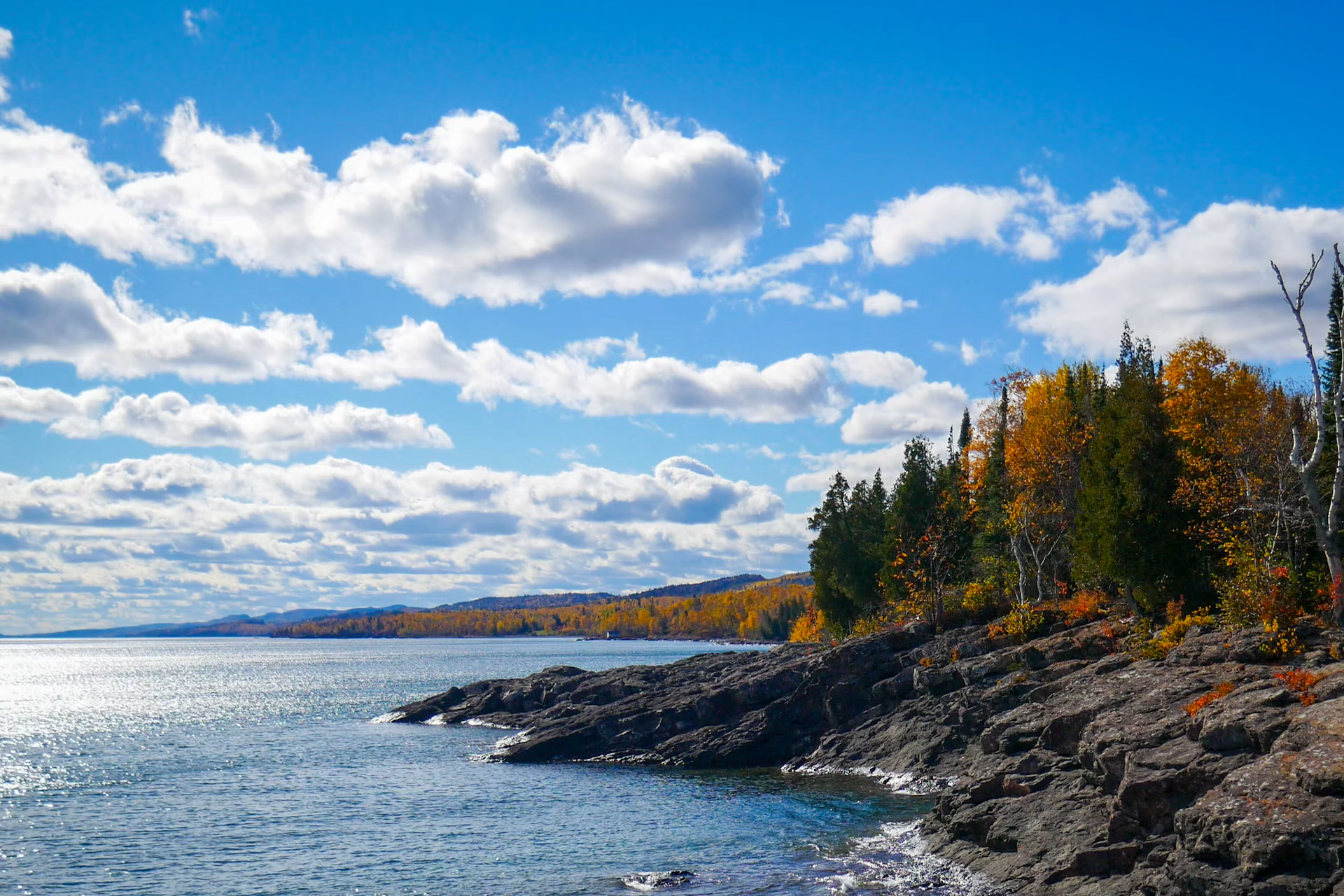
Lake Superior, the largest of all the Great Lakes and the largest body of freshwater anywhere in the world, is a must-see camping destination — especially if you think it would take a vast natural panorama to recharge your mental batteries! It stands out because there’s something for everyone, and we really do mean everyone.
At a glance:
- Pick your poison. It doesn’t matter whether you prefer primitive camping away from the crowds, a luxury RV park, rustic cabins, yurts, or even tree house cabins. Lake Superior has it all, and your biggest challenge may just be picking the right campsite for your preferences! Low-fee public campgrounds are available.
- Of course, you can enjoy all the usual lakeside activities at this massive lake, but you also have some unique opportunities! They include surfing, scuba diving, ice fishing, lighthouse tours, and rock hunting.
- One thing to remember about Lake Superior is that its sheer size can make a difference when planning your camping trip. Rather than treating the entire shoreline as one destination, choose a particular stretch of coast and look for campgrounds and activities nearby. Water temperatures can also remain surprisingly cold, even during summer, so don’t assume that a sunny day automatically means comfortable swimming conditions.
- If you’re down for a winter camping experience, some campgrounds are open year-round. This fresh and exciting way to enjoy camping requires a bit more preparation, but winter camping is worth the hassle!
Crater Lake, OR
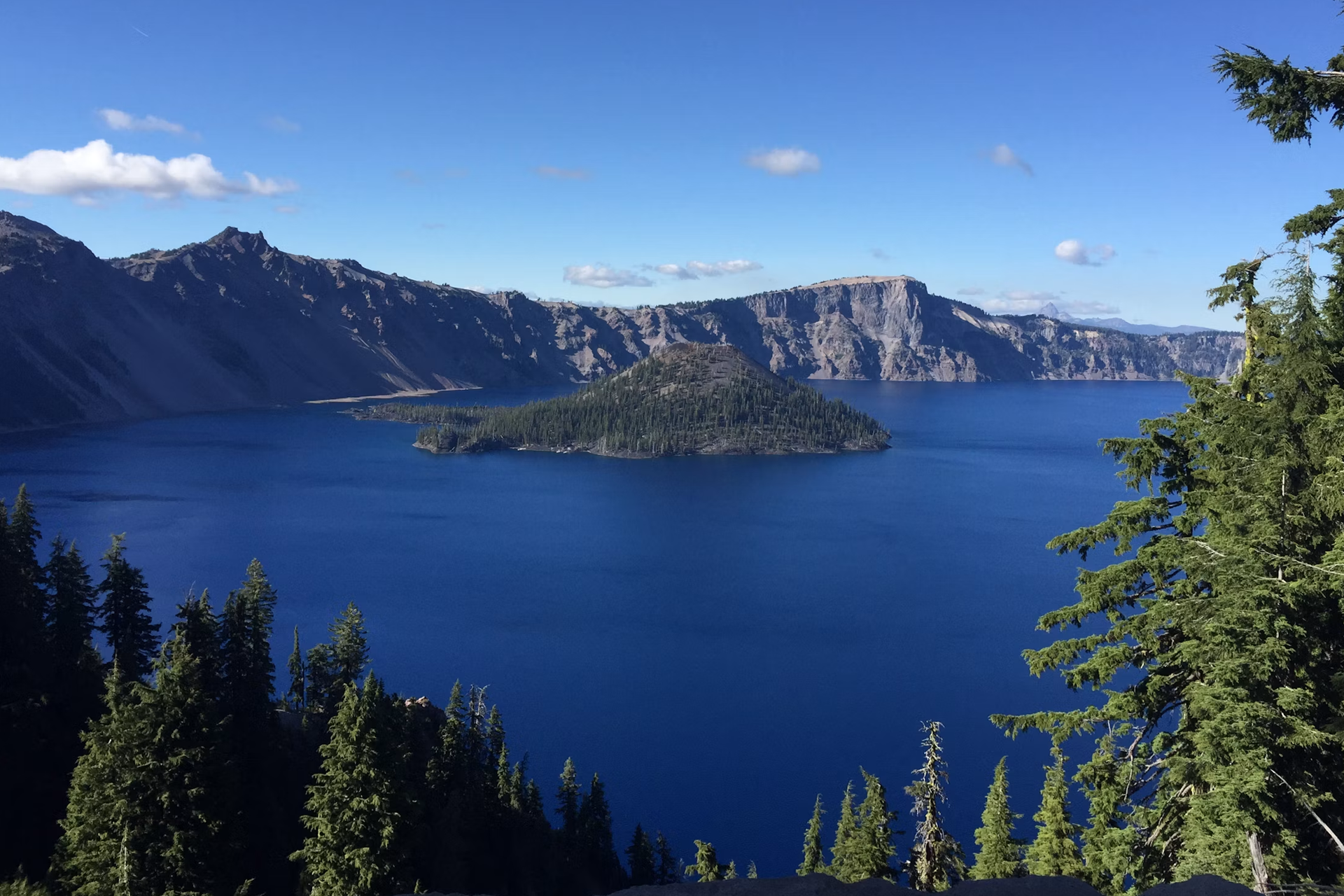
It really doesn’t take more than a look at one photo of Crater Lake to understand why it’s a vacation destination you shouldn’t miss out on. The deepest lake in the US has stunningly clear water, courtesy of the surrounding mountains, and unique rock formations like Phantom Ship. Of course, you can’t skip a trip to Wizard Island!
Is Crater Lake camp-friendly? There are two answers to this question, depending on how prepared and determined you are to get a good spot. If your camping style is more last-minute, Crater Lake is a terrible place to camp — the in-park campsites and cabin accommodation are incredibly popular, so you won’t find available places. There are campsites further afield, but they’re not ideal if you want to enjoy the lake to the fullest extent possible.
If, however, you’re patient and willing to book months in advance, Crater Lake is one of the best lakeside camping spots across the board.
- Mazama Campground is open from June to late September. It has free access to potable water, bear-resistant lockers, trash collection, electric vehicle charging stations, and internet connectivity. There’s also a lodge and a collection of cabins, and backpackers can get separate camping permits.
- It’s worth remembering that Mazama Campground sits among the trees at around 6,000 feet, rather than directly beside the lake. This means you’ll need to drive or hike to reach the lake viewpoints and shoreline access. The elevation also means evenings can get chilly, even during the summer months, so pack a few extra layers.
- If you weren’t lucky enough to get a place at Mazama Campground, your best options are Union Creek (21 miles from Crater Lake) and Diamond Lake (25 miles from Crater Lake and, honestly, stunning in its own right).
- You won’t be bored at Crater Lake — from scenic drives to hiking, boating, and boat tours, there’s a ton to do. You’ll even be able to take ranger-led tours that get you up to speed on safe ways to swim at the lake. It’s cold but invigorating!
Boundary Waters Canoe Area Wilderness, MN
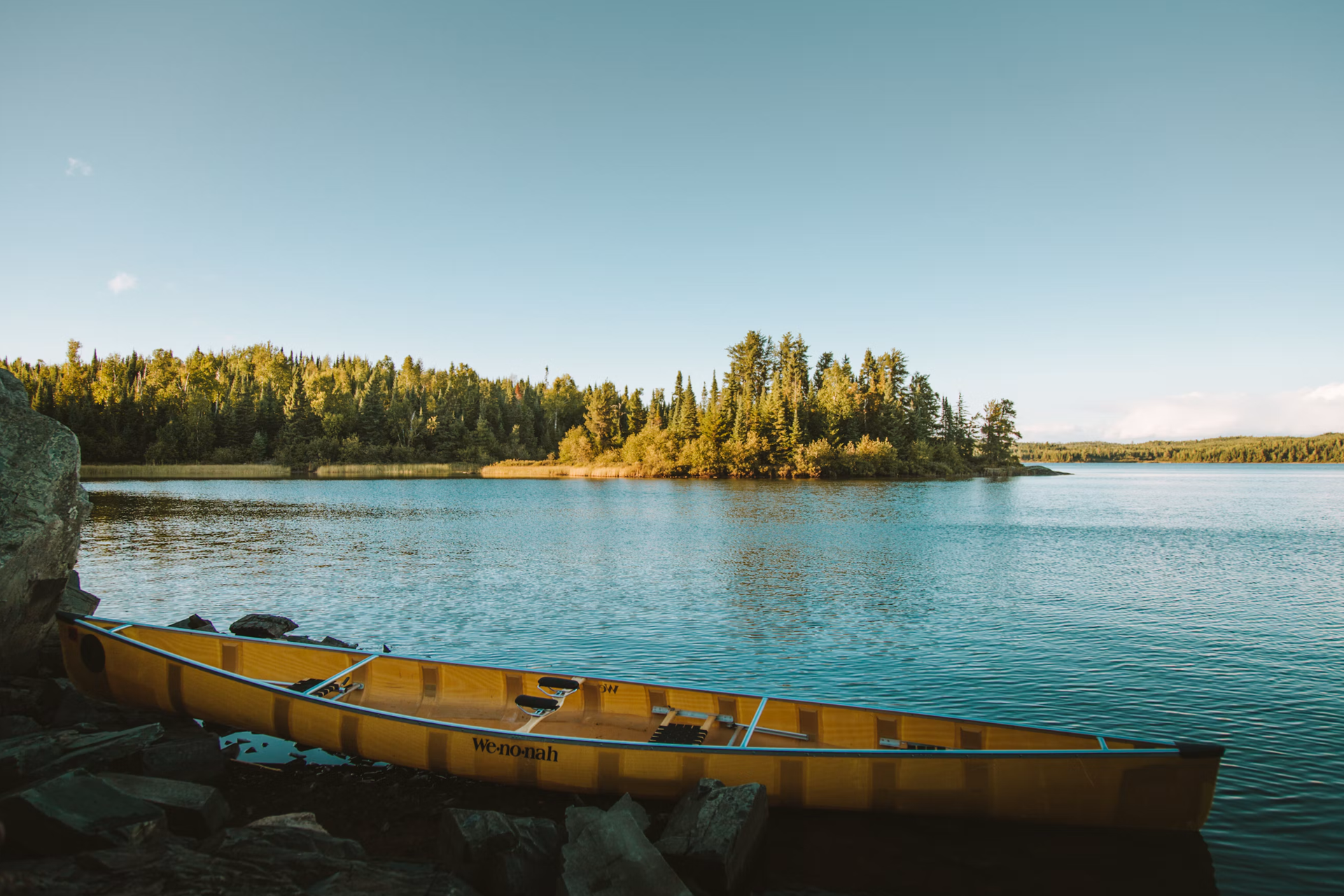
The lakes we’ve looked at so far are equipped with excellent amenities and plenty of organized outdoor activities — precisely the kinds of things that will make many readers consider them camp-friendly lakes. Of course, there’s another set of campers looking for the polar opposite in the form of a raw wilderness experience where they can enjoy nature and solitude.
If that’s you, and you’re down for a primitive camping trip without access to modern amenities, consider the Boundary Waters Canoe Area Wilderness in Minnesota. If you can already picture yourself exploring dense woodlands in an area with over 1,000 interconnected glacial lakes, you may just have found your personal paradise.
The Boundary Waters Canoe Area Wilderness is run by the US Forest Service. You can pick over 2,000 different places to pitch your tent within the area, but you’ll be completely responsible for practicing leave no trace principles to protect the abundant wildlife and ensure the next person who pitches a tent in the same spot can enjoy the same untouched wilderness you encountered.
Lake Clark, AK
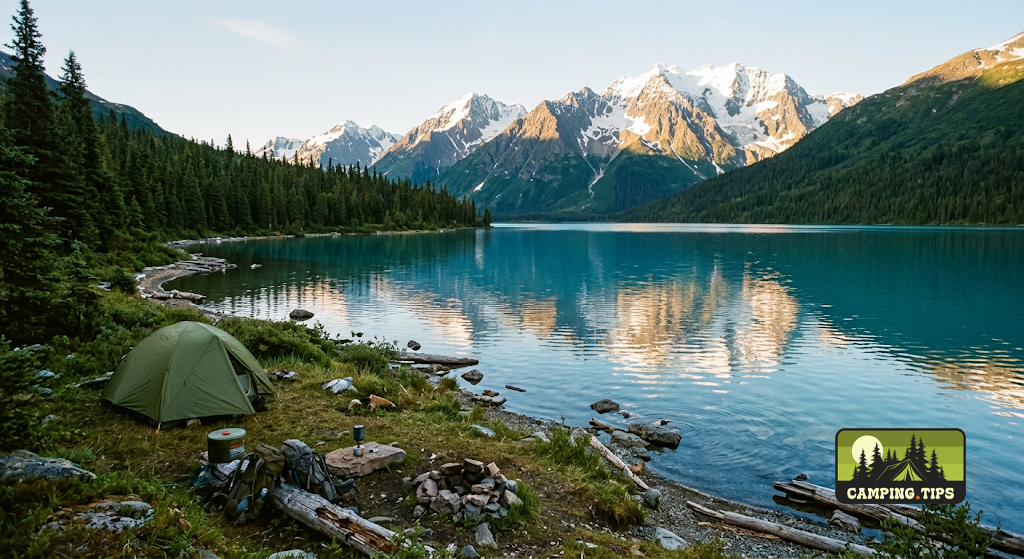
Lake Clark is a breathtakingly beautiful lake at the heart of Wrangell-St Elias National Park and Preserve in Alaska. While we admit adding this to the list partly because it’s a bit of a weird pick (Alaska isn’t exactly the most popular camping destination in the country!) and we don’t want to show you only lakes you’re already familiar with, there are several exciting reasons to pitch your tent at Lake Clark.
It’s ideal for seasoned primitive campers ready to embrace a new challenge. Yes, there are bears. No, there aren’t any designated trails. Yes, you’ll be responsible for your own safety — and for making sure you don’t disturb the wildlife around you. Yes, there are a ton of lakes in the area that you can only reach on foot after a challenging hike.
Above all, yes, you can pitch your tent anywhere at Lake Clark! (In case you were wondering, guides are also available — and highly recommended!)
All Those Lakes Sound Great, But Where Should We Go?
Do you squarely believe that life is better by the lake? You’ll probably never see all the beautiful lakes the United States has to offer. Even if you embrace full-time RV living and you do nothing but drive from lake to lake, you simply won’t have time.
The upside? If you’re a camping enthusiast, you’ll definitely be able to see a wide variety of lakes. What’s next? Maybe these tips will help you decide:
- Get together with your party and decide if you all prefer mountain views, woodlands, or pristine beaches. Then, look at pictures to see which lakes you like the look of.
- Determine your comfort level. Are you after a campground with full modern amenities, or maybe even a cabin? Or do you prefer the freedom and challenge of primitive camping? On a related note, do you love meeting other campers, or would you prefer to enjoy your adventure in solitude?
- Do you want the freedom of pitching your tent at short notice, or do you not mind booking months in advance?
- What kinds of activities are you planning to try out? We always like to choose one thing we’ve never done before and highly recommend it.
- Don’t forget to decide on a temperature range you’re comfortable with. After all, the weather will set the tone for your camping experience!
We hope those tips get you one step closer to deciding where to spend your next lakeside camping trip — and that our picks for the best camp-friendly lakes have inspired you to explore a new area!