Camping has a funny way of teaching lessons.
No matter how many videos you watch or lists you read, your first trip will probably include at least one moment where you stop and think, “I wish someone had told me that.”
Maybe it’s struggling to pitch your tent as daylight disappears. Maybe it’s realizing your sleeping bag isn’t nearly as warm as you expected. Or perhaps it’s discovering that cooking a three course meal over a camp stove sounded much easier at home.
The good news is that nearly every experienced camper has made those same mistakes before you.
Camping isn’t about being perfect. It’s about enjoying the outdoors, slowing down for a while, and learning a little more with every trip. A few small changes can make the difference between a weekend you can’t wait to forget and one that has you planning your next adventure before you’ve even unpacked the car.
Here are ten of the most common mistakes first time campers make, and how you can avoid them.
1. Packing Everything You Own
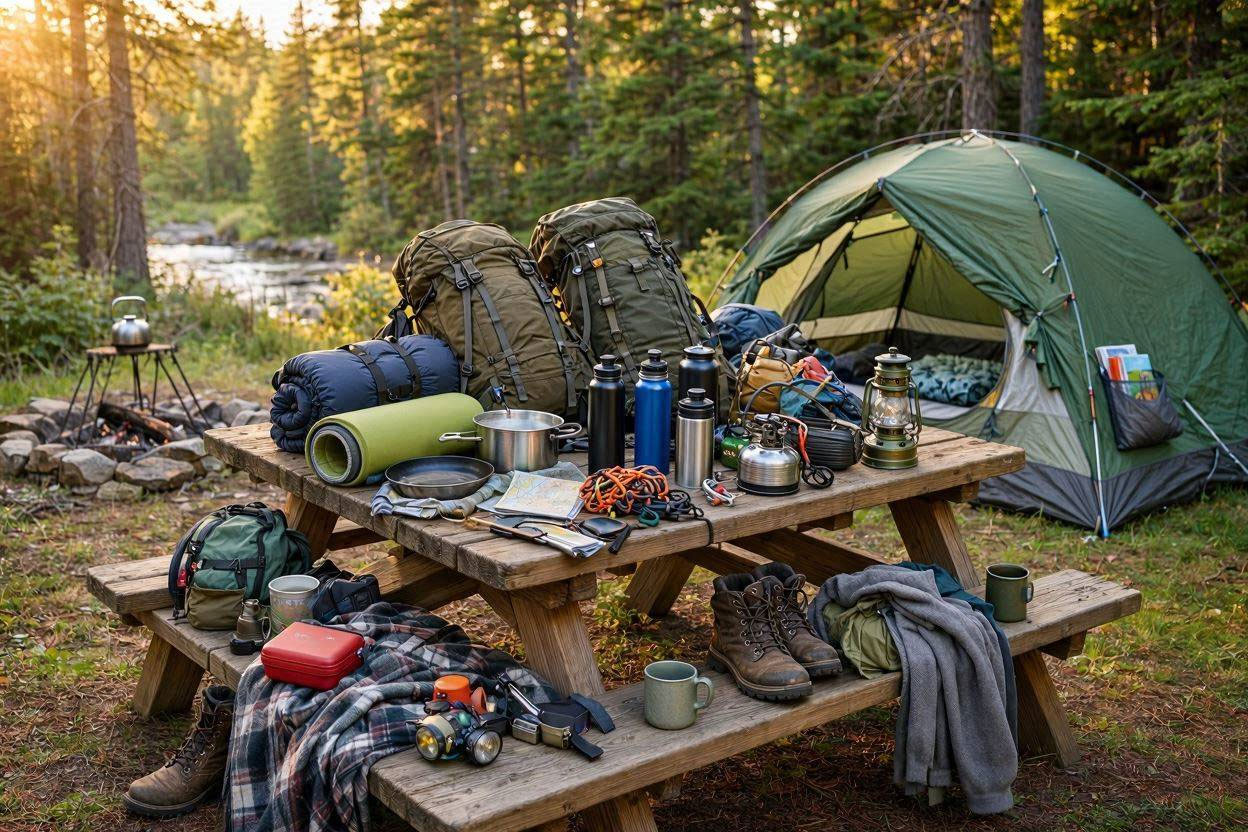
Ask any experienced camper about their first trip, and they’ll probably laugh about how much stuff they brought.
It’s easy to fall into the trap of preparing for every possible situation. Extra lanterns, three different knives, enough clothes for every type of weather, multiple coolers, fancy cooking equipment, and gadgets that never even leave the car.
Camping doesn’t require your entire garage.
In fact, one of the biggest lessons most people learn is that the best camping trips are often the simplest ones. A reliable tent, a comfortable place to sleep, enough food and water, a light source, and weather appropriate clothing are all you really need.
The more gear you bring, the more time you’ll spend unpacking, organizing, cleaning, and packing everything away again. That’s time you could have spent relaxing by the fire or exploring the trails.
Start simple. After your trip, you’ll know exactly what you wished you had and what you never used.
2. Arriving Just Before Sunset
Everything always takes longer than expected the first time.
The drive might take an extra hour. You might stop for supplies. Finding your campsite could take longer than planned. Before you know it, the sun is dropping behind the trees.
Setting up a tent in daylight is easy.
Setting it up with a flashlight while trying to swat away mosquitoes is an experience you’ll only want once.
Aim to arrive during the afternoon whenever possible. You’ll have plenty of time to find your campsite, get everything organized, and settle in before darkness falls.
Once camp is ready, you can actually enjoy your first evening instead of feeling like you’re racing against the clock.
3. Forgetting That Nights Can Be Surprisingly Cold
A warm afternoon doesn’t guarantee a warm night.
This catches new campers off guard more than almost anything else.
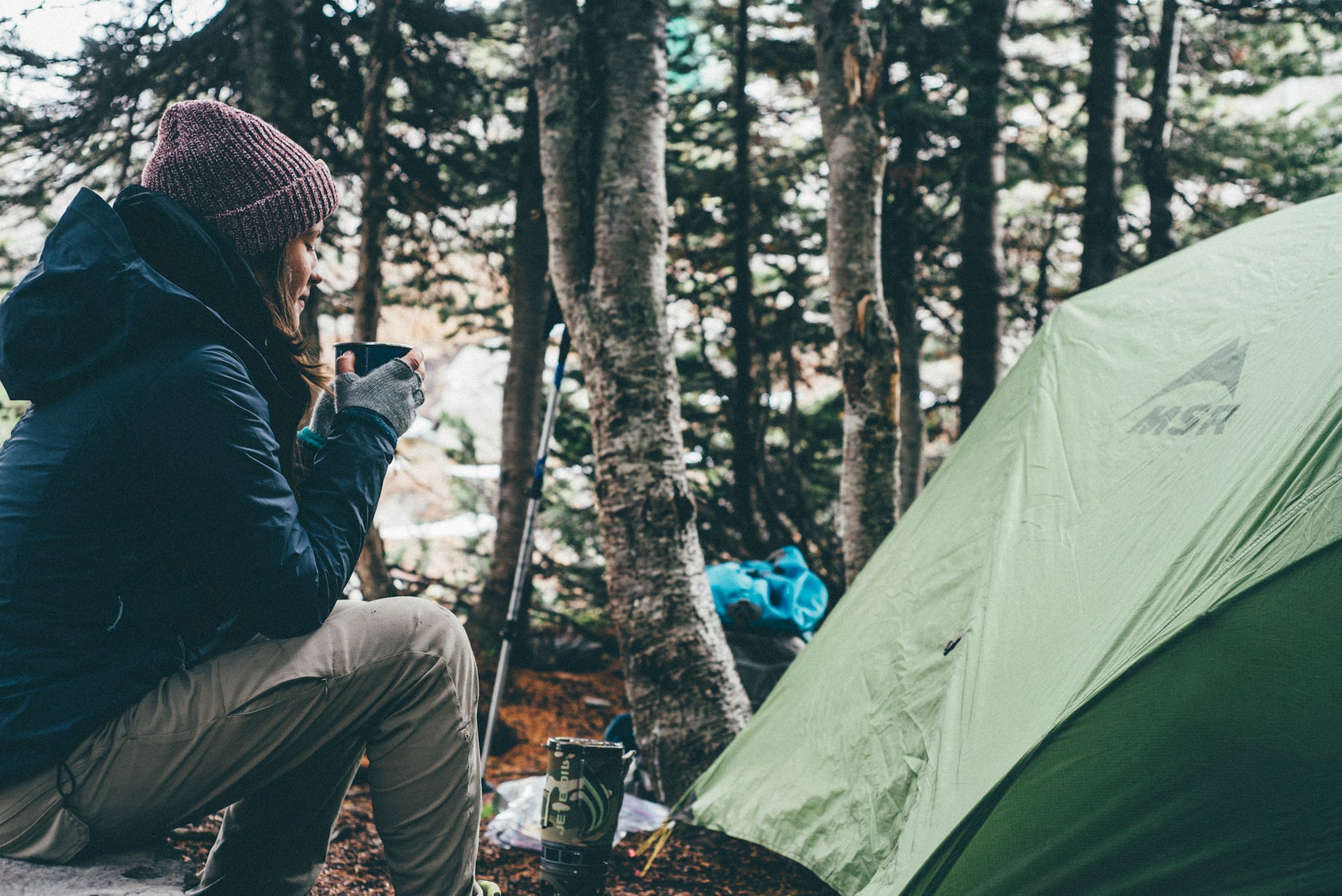
Temperatures often drop quickly after sunset, especially near lakes, forests, rivers, or in the mountains. Even during summer, evenings can become chilly enough that sitting outside isn’t very enjoyable without an extra layer.
Packing a fleece, warm socks, and a light jacket barely takes up any space, but it can completely change your evening.
Camping is much more enjoyable when you’re watching the stars because you want to, not because you’re waiting to warm up enough to fall asleep.
4. Spending More on the Tent Than Your Sleeping Setup
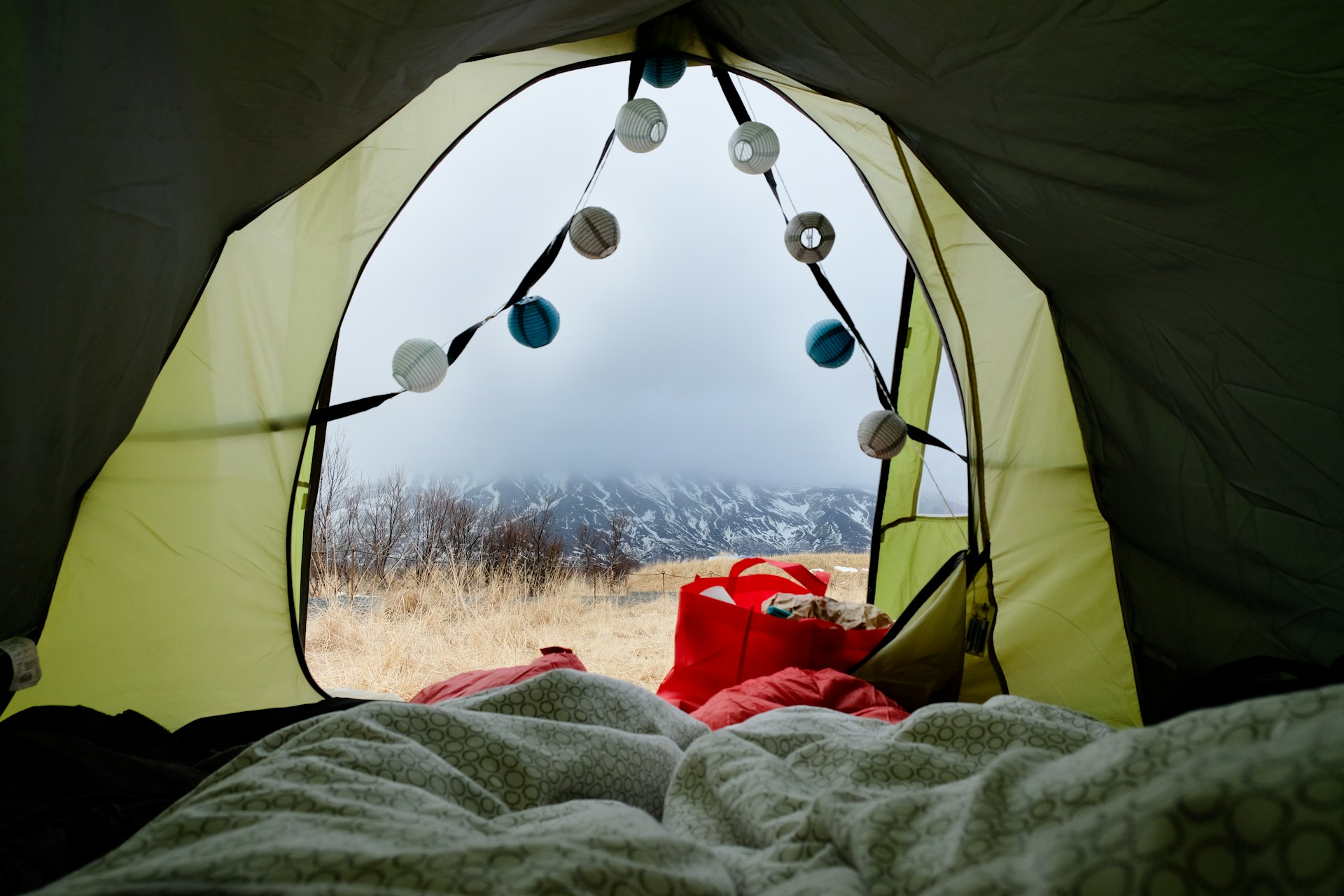
Many beginners spend weeks researching tents.
Very few spend the same amount of time thinking about what they’ll actually sleep on.
The truth is that your sleeping pad often matters more than the tent itself.
A comfortable pad cushions your body, keeps you insulated from the cold ground, and makes getting a good night’s sleep far more likely. Pair it with a sleeping bag that’s suited for the temperatures you’ll experience, and you’ll wake up feeling refreshed instead of stiff.
Your tent protects you from the weather.
Your sleeping setup determines whether you actually rest.
5. Planning Complicated Meals
Cooking outdoors sounds like a great adventure.
Cleaning up afterwards is usually less exciting.
Many first time campers pack ingredients for elaborate meals that require multiple pans, lots of preparation, and plenty of washing up. After a day of hiking or relaxing, that enthusiasm often disappears.
Simple meals are your friend.
Pasta, wraps, soup, grilled sausages, sandwiches, oatmeal, and one pan meals all taste fantastic after a day outdoors.
Nobody ever finishes a camping trip wishing they’d cooked something more complicated.
6. Not Practicing With Your Tent First
Imagine opening your brand new tent for the first time after arriving at your campsite.
You spread everything out across the grass and discover there are far more poles than you expected.
The instructions somehow make less sense than they did at home.
Practicing once in your backyard or even your living room removes almost all of that stress.
You’ll know exactly where the poles go, how long setup takes, and whether anything is missing before you’re miles from the nearest outdoor store.
Future you will be very grateful.
7. Ignoring the Weather Forecast

Blue skies can be deceptive.
Weather changes quickly, especially in the outdoors.
Checking the forecast before leaving helps you pack smarter, choose appropriate clothing, and prepare for rain if it’s expected.
A lightweight rain jacket and a few waterproof bags can save an entire weekend.
Getting caught in unexpected rain isn’t always the problem.
Being completely unprepared for it usually is.
8. Forgetting That Other People Are Camping Too
One of the nicest parts of camping is the peaceful atmosphere.
Everyone plays a role in keeping it that way.
Loud music late at night, bright lights shining into neighboring tents, or leaving food scattered around your campsite can quickly spoil the experience for others.
Good campsite etiquette isn’t complicated.
Keep noise down during quiet hours, clean up after yourself, respect wildlife, and leave your campsite looking as though nobody was ever there.
It’s amazing how much friendlier a campground feels when everyone follows those simple rules.
9. Spending the Whole Trip Looking at Your Phone
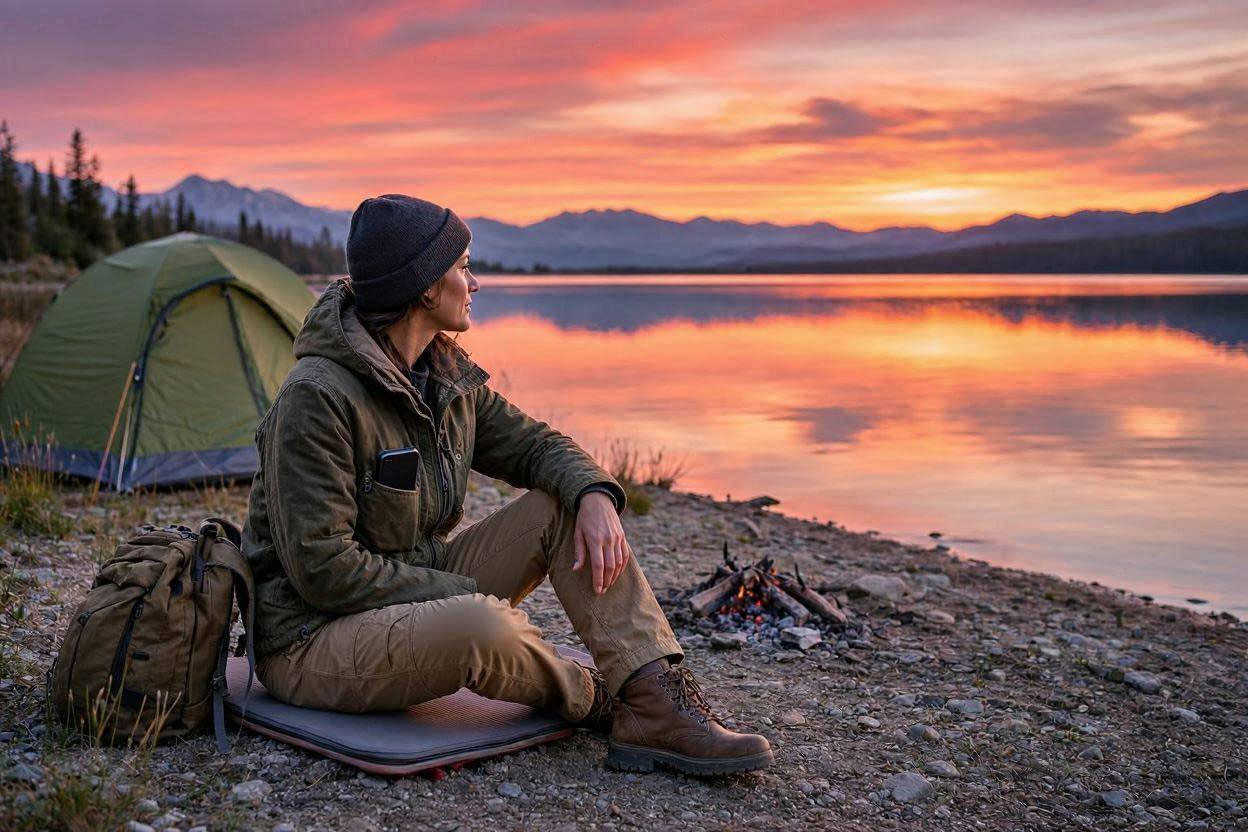
It’s tempting to document everything.
One photo becomes five.
Five become fifty.
Before long, you’ve spent more time looking at a screen than the scenery around you.
There’s nothing wrong with taking pictures.
Just remember why you came.
Listen to the birds in the morning. Watch the campfire without feeling the need to record it. Take a walk without checking your notifications every few minutes.
Nature has a way of slowing everything down if you let it.
10. Thinking You Always Need Something to Do
This might be the biggest surprise for first time campers.
People often ask what they’re supposed to do all day.
The answer is wonderfully simple.
Whatever you want.
Go for a short hike. Read a book you’ve been meaning to finish. Make coffee slowly while the campsite wakes up. Watch squirrels chase each other through the trees. Sit beside the fire and enjoy a conversation that isn’t interrupted by phones or meetings.
Camping isn’t about squeezing every minute full of activities.
It’s one of the few hobbies where slowing down is actually the goal.
At first, that can feel unfamiliar.
Then, somewhere between breakfast outdoors and watching the stars appear one by one, you realize why so many people keep coming back.
Final Thoughts
Nobody gets everything right on their first camping trip.
You’ll probably forget something, pack something you never use, or laugh later about a mistake that seemed like a disaster at the time.
That’s all part of the experience.
Every trip teaches you something new, and before long you’ll have your own routines, favorite campsites, and stories to tell around the campfire.
The important thing is simply getting out there.
Don’t wait until you own the perfect gear or have every answer. Start with the basics, keep your expectations realistic, and enjoy the adventure for what it is.
After all, the best campers aren’t the ones with the most expensive equipment.
They’re the ones who can’t wait to plan their next trip.